Dečani treasury

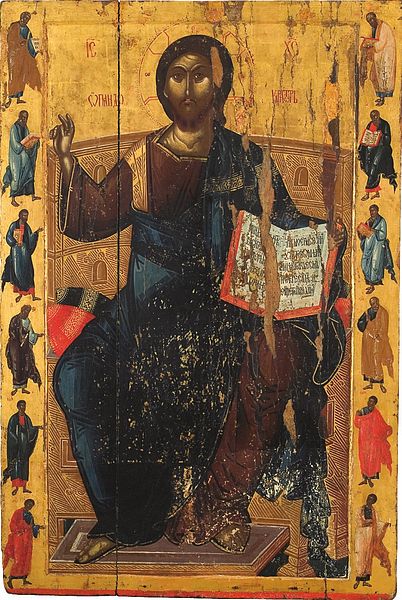
Among the collections of the Dečani treasury, the most valuable is undoubtedly the icon collection, distinguished in several respects: its number, age, provenance, and quality. Few locations have preserved such an extensive collection of old icons. The treasury contains a total of 90 icons, ranging in age from the monastery’s founding in the 14th century to the late Middle Ages, specifically the end of the 17th century. Most of these icons, whether part of the iconostasis, adorning the central chandelier (khoros), or intended for private veneration, were specially commissioned for Dečani Monastery. Furthermore, the artistic quality of these icons is extraordinary; many predating the 18th century represent some of the finest examples of Serbian and Byzantine painting.
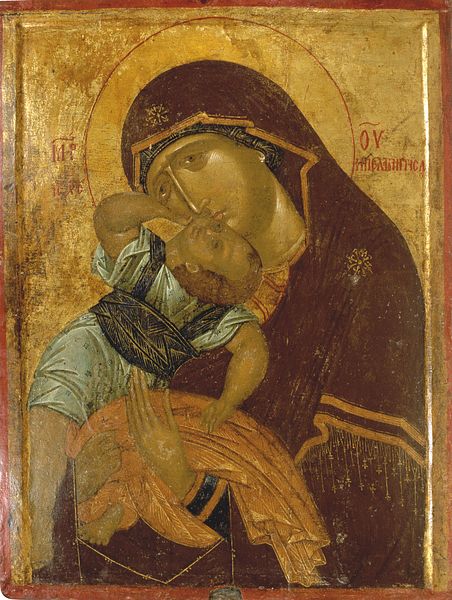
Icon of the Theotokos Pelagonitissa, Late 14th Century
Icon of Christ Pantocrator, Painted by Longinus, Late 16th Century
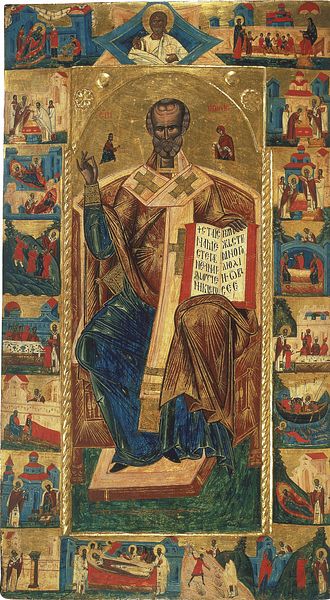
Icon of St. Nicholas with Scenes from His Life, Painted in 1620
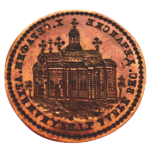
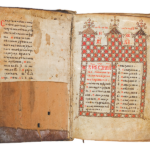
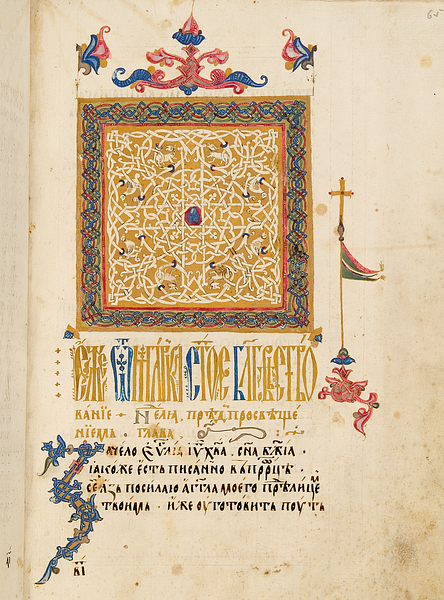
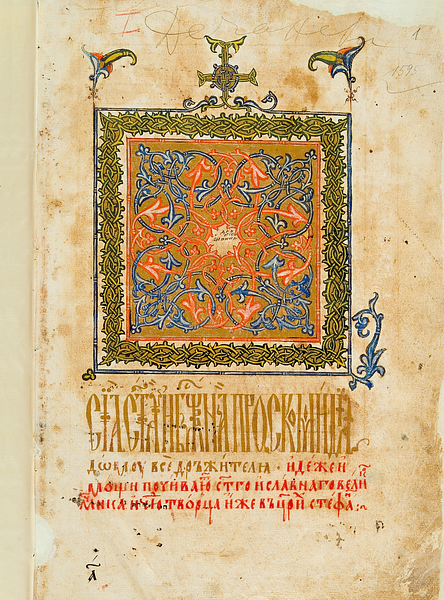
Today, Dečani Monastery possesses a rich collection of approximately 160 manuscript codices and 17 old printed books. The majority of these have liturgical content and purposes, including manuscripts of the Four Gospels, epistle books (Apostola), prayer books for priests (Hieratika), monthly calendars (Menaia), and daily liturgical services (Horologia). The collection also includes works of the Holy Fathers, rhymed prologues, and manuscripts chronicling the history of the Monastery.

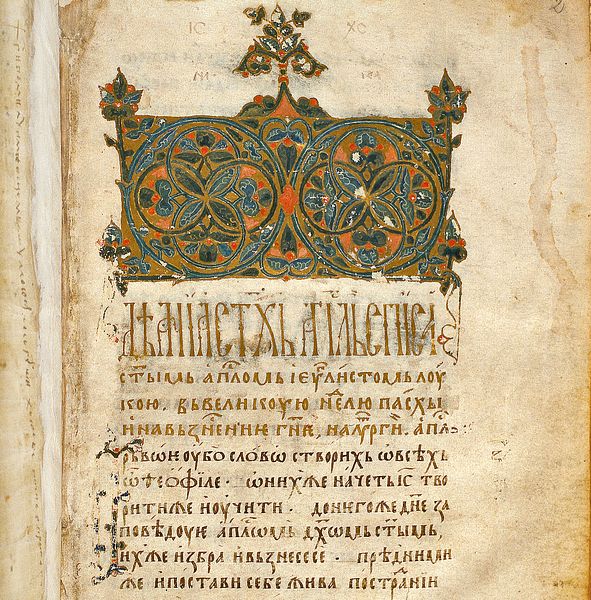
Apostle Book, 1350
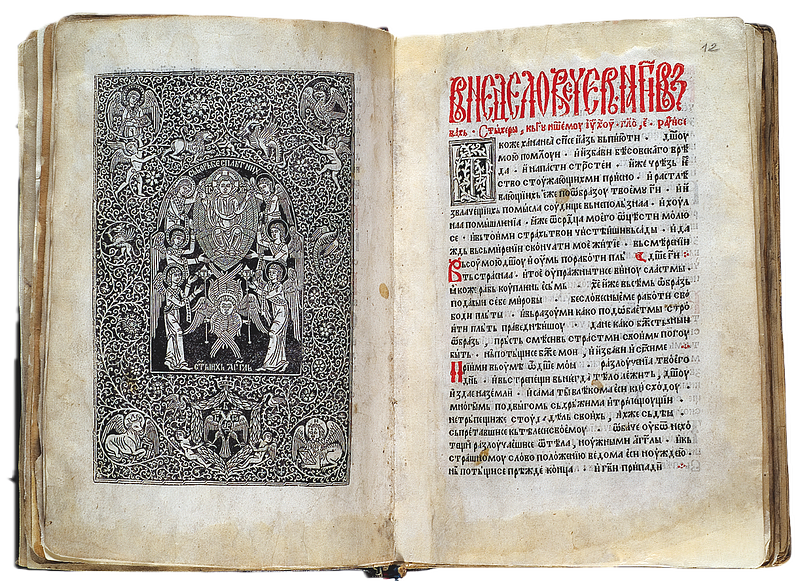
Octoechos Book, Crnojević Printing House, 1494
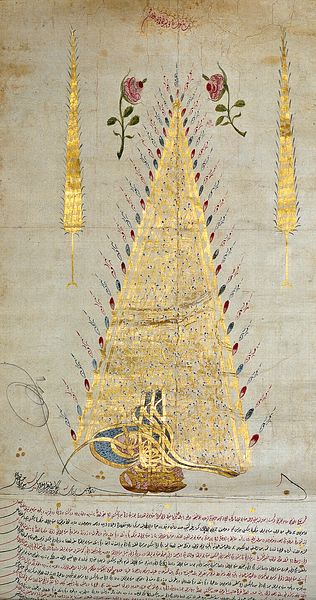
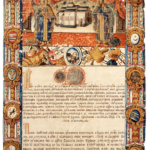
Edict (Firman) of Sultan Mustafa IV, 1808

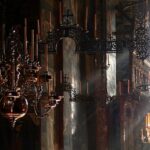
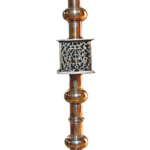
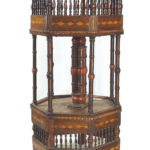
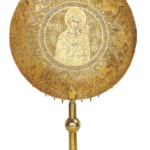
One of the richest and most valuable segments of the Dečani treasury is its collection of artifacts made from precious and other metals. The Arthos Panagia, made of unicorn horn plated with silver, is believed to have been part of the original treasury. Similarly, the lead ampoules housed within the reliquary of St. Stefan of Dečani, as well as the great bronze khoros and the floor-standing candleholder, date to the Monastery’s founding in the early 14th century. Unfortunately, none of the many precious objects listed in the founders’ charters have survived, and the majority of the current collection dates from the 16th to the 19th century.

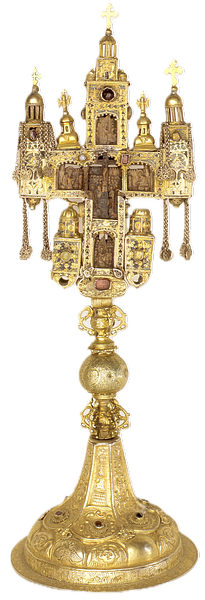
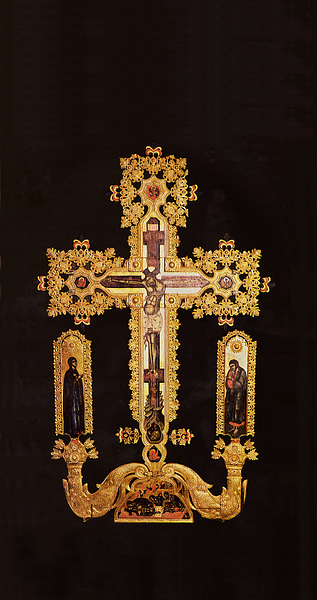
Emperor Dušan's Cross
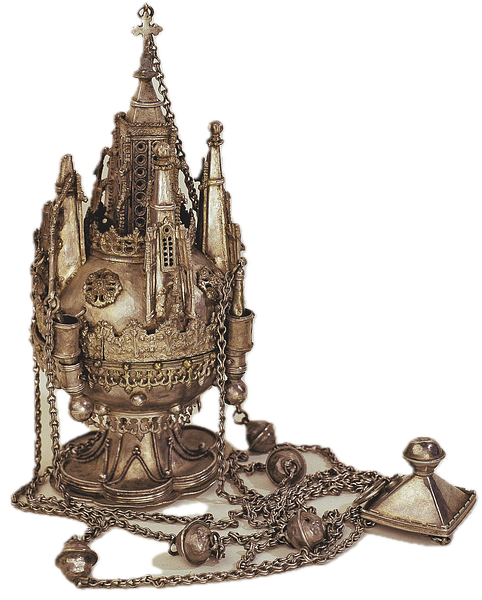
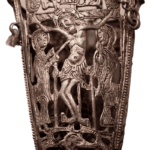
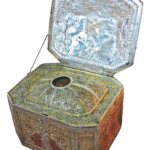
Silver Gothic Censer
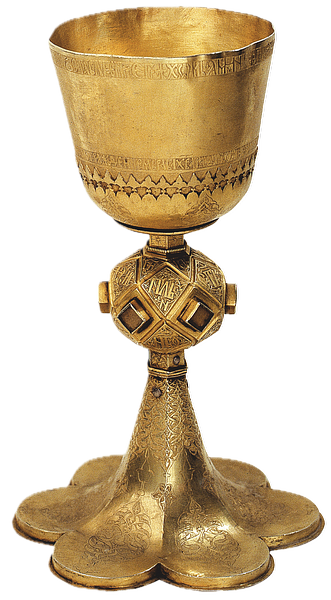
Radivoje's Chalice, 1568

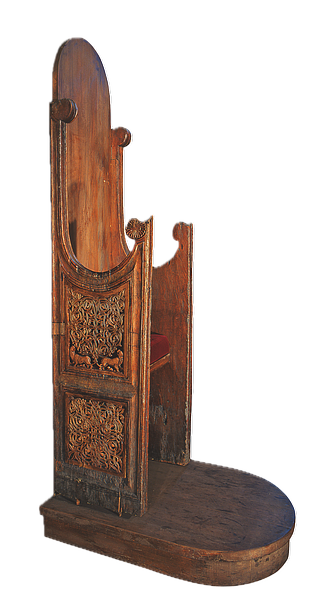
Two thrones within the church hold particular significance. The marble royal throne, intended for the monarch during liturgical services, and the wooden abbot’s throne both date to the 14th century. However, only the lateral panels of the abbot’s throne remain original.

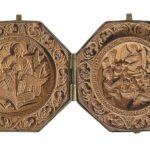
Since Visoki Dečani Monastery has never been abandoned or significantly damaged—unlike most other Serbian monasteries, which suffered fires or the collapse of their roofs—the most important collection of wooden artifacts has been preserved intact. This includes bas-reliefs, intarsia, and simple carvings in wood, dating from the 14th to the 17th century.

Abbot's Throne, 1330
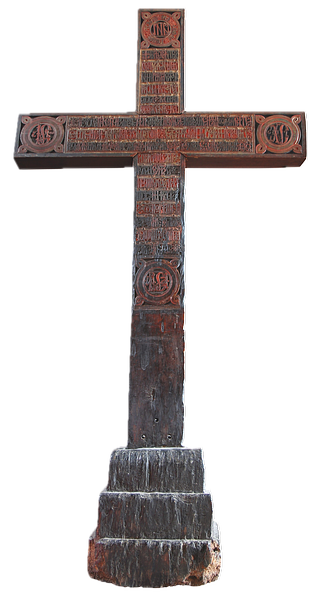
Cross of Elder Nestor, 1565
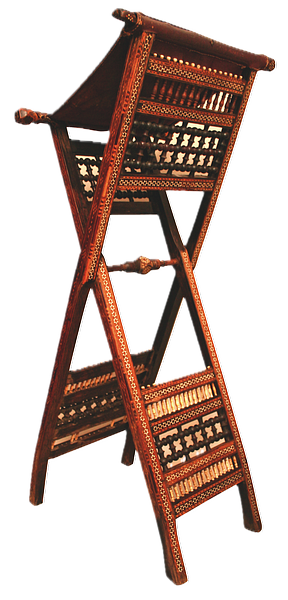
Lectern, 16th Century

The wooden cross of Abbot Nestor is of exquisite beauty and instead of a painted crucifix one can see engraved hymns in honour of the holy cross.

The icons on the iconostasis—the marble altar screen—depict, from left to right, Saint Nicholas, the Mother of God, Christ, and Saint John the Baptist. These icons are of exceptional value and beauty, representing some of the finest examples of Serbian medieval iconographic art. The altar doors and the crucifix above the altar screen, painted by the Dečani monk Longin in the 16th century, captivate viewers with their exquisite artistry.

At the onset of the Yugoslav civil wars in the 1990s, the Synod of Bishops decided to temporarily relocate most of the Monastery’s treasury from Kosovo to Central Serbia. Part of the Monastery’s collection is currently exhibited in the Museum of the Serbian Orthodox Patriarchate in Belgrade.