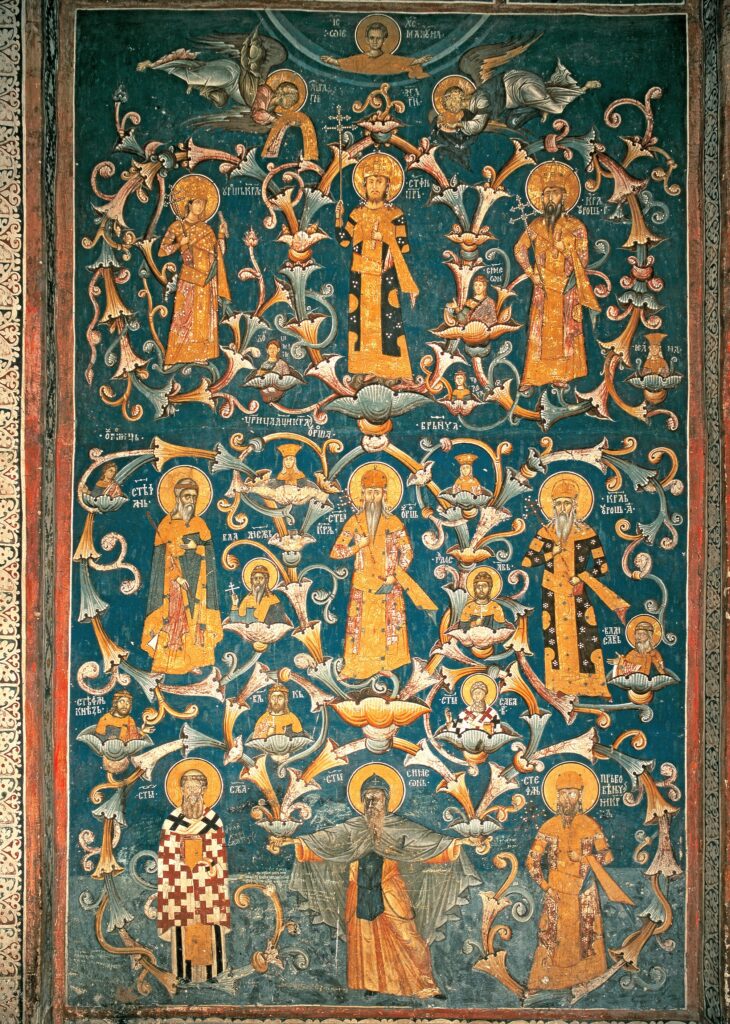
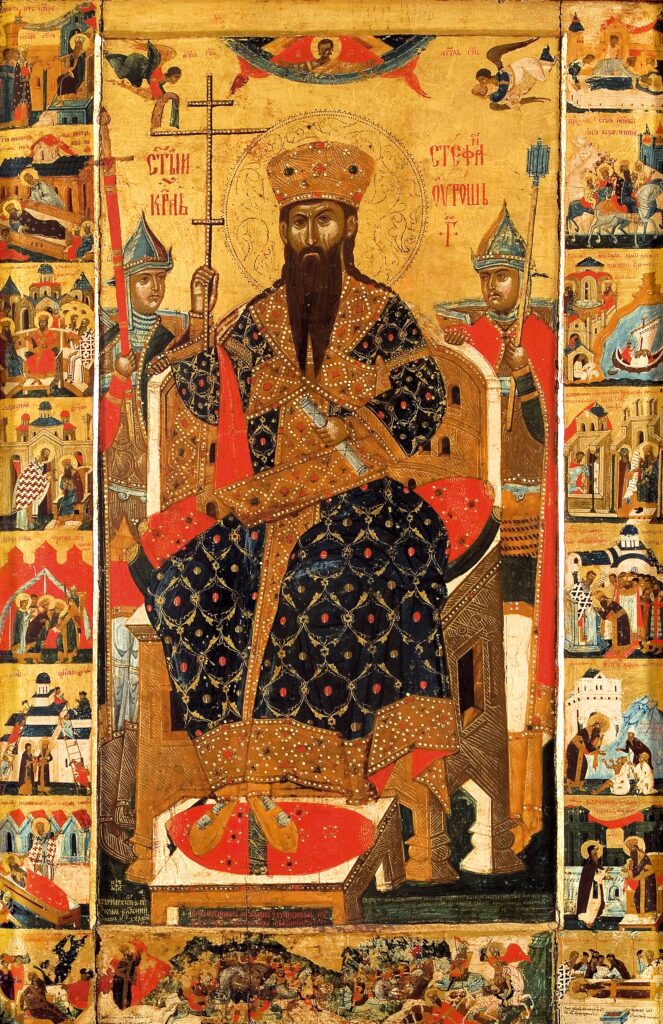
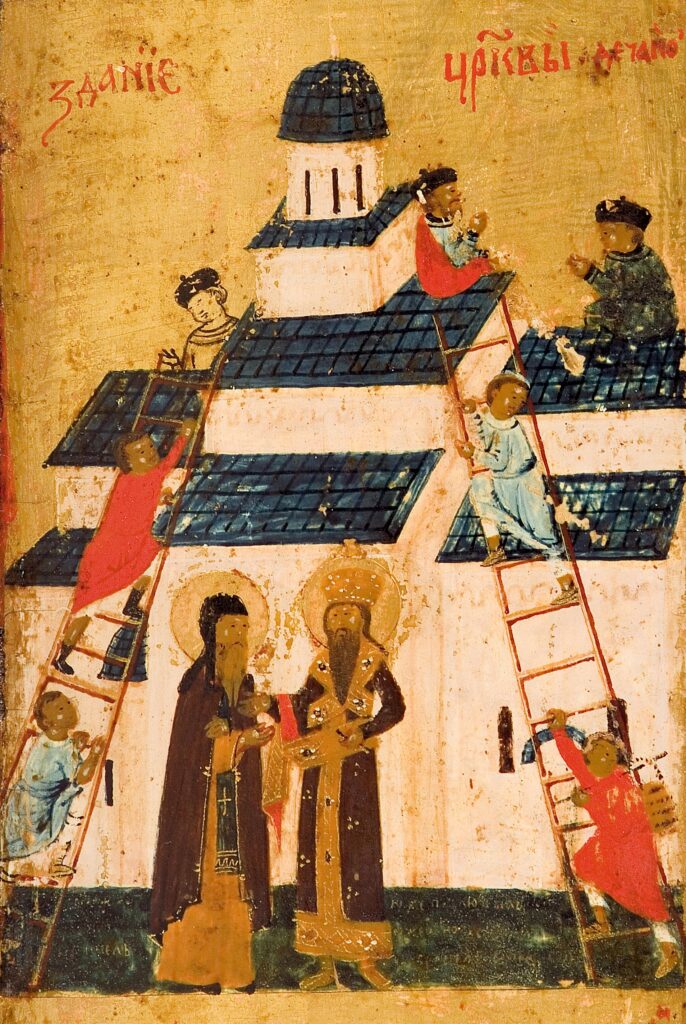
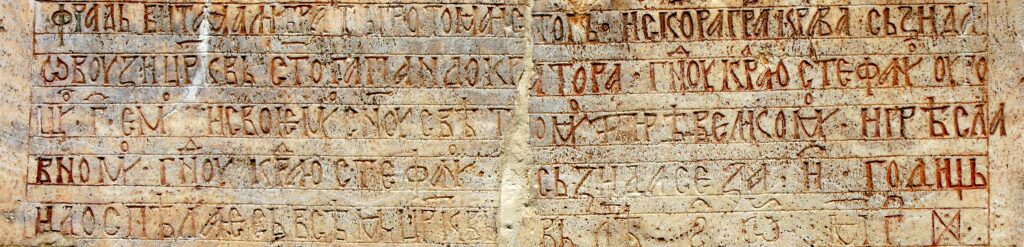
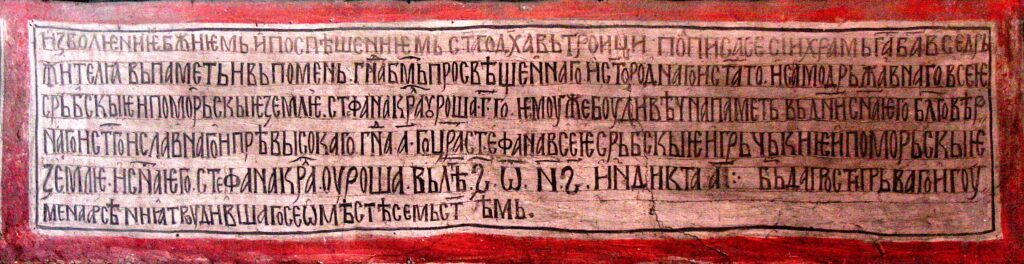
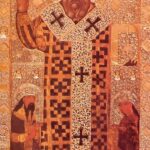
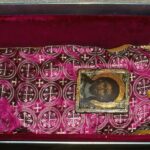
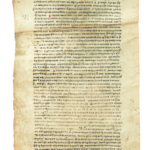
The founder of the Monastery was St. Stefan Uroš III of Dečani (1285–1331), the son of Holy King Milutin and the father of Emperor Dušan. The Church venerates him as a great-martyr, commemorating his feast day on November 11/24 (according to the Julian and Gregorian calendars, respectively). At the age of ten, he was given as a hostage to the Tatar Noghai Khan. As a youth, he was falsely accused of plotting to overthrow his father and was blinded and imprisoned in the Monastery of Christ the Pantocrator in Constantinople.
Pious, gentle, and compassionate by nature, he won the favour of monks, noblemen, and even the Byzantine Emperor Andronicus II. Seven years later, following the mediation of Serbian and Greek bishops, his father reconciled with him and granted him the rule of the region of Budimlje (in present-day Montenegro). In 1321, after the death of King Milutin, Stefan was crowned in Prizren as Uroš III. Before his coronation, he removed the bandages from his eyes, revealing his miraculous healing through the intercession of St. Nicholas the Miracle-Worker.